“BOTH SIDES LOOK VICTORIOUS”
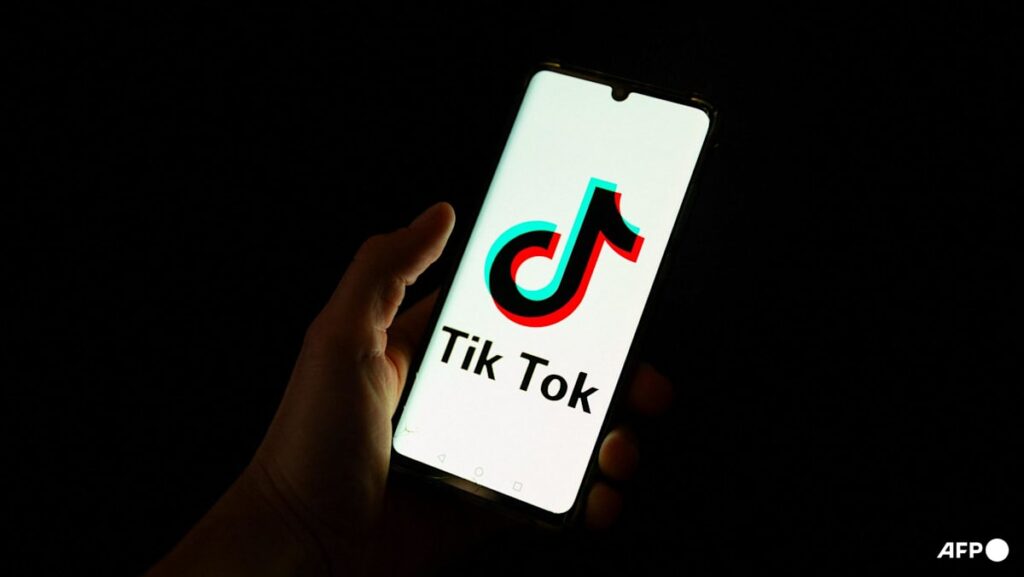
Takahashi, however, said TikTok was “no longer obliged to delete” the videos in question because the anonymous user behind them had taken them down several months after the lawsuit began.
Tsuda’s lawyer Takashi Hirano told reporters that the ruling “ended up making both sides look victorious”.
The anonymous account, whose picture resembled a “Jujutsu Kaisen” character dubbed by Tsuda, combined images and seemingly AI-generated speech about urban legends, occult phenomena and conspiracy theories.
It at one point boasted more than 200,000 subscribers and would have brought in upwards of 500,000 yen (US$3,200) in monthly revenue, the legal complaint argued.
Tsuda’s legal team argued the account only gained traction because “its dubious, sordid content was narrated by the attractive voice of a popular actor”.
Interest in the ruling has been high among voice actors in Japan, who worry AI mimicry of the tool of their trade will go a long way towards the decline of the storied industry.
An actor’s voice “is the result of years of rigorous training and apprenticeship” to hone talent, Yuko Sasaki, executive director of the Japan Actors Union, told AFP ahead of the ruling.
“It’s something we spend lots of time and money perfecting,” said Sasaki, a fellow voice actor, adding that “we support Tsuda wholeheartedly”.
Parallel to the lawsuit, Sasaki and other Japanese voice actors have launched a campaign, called “No More”, against using generative AI to mimic performers without permission.
“Our industry can be crushed” if a court win for TikTok triggers “unbridled” AI voice cloning on social media, actor Bin Shimada told AFP earlier.
That could cause younger actors to “lose hope”, said Shimada, who is part of the campaign group.
Read the full article here